
If you run a business, you have probably been told you need a website. But if you are not technical, it can be hard to understand what a website actually is, what it does, and why it matters.
We work with business owners every day who feel unsure about websites. This guide is here to explain it clearly, without jargon or tech talk, so you can make confident decisions for your business.
What is a website? #
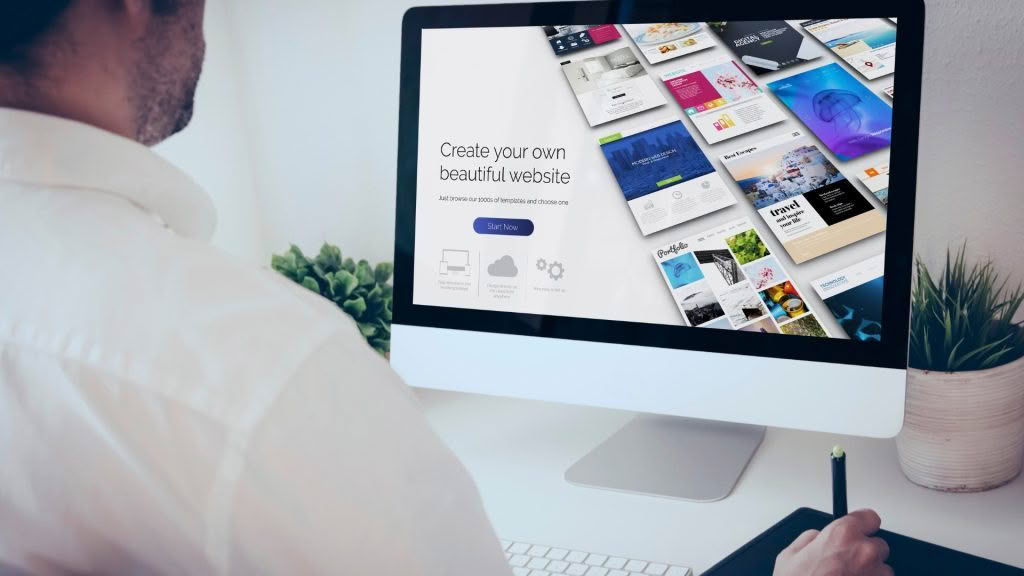
A website is a set of pages on the internet that people can visit using their phone, tablet, or computer. It usually includes information about your business, what you do, how you help customers, and how people can contact you.
Think of your website as your digital home.
Just like a physical premises, it has an address. Your website address is called a domain, for example, yourbusiness.co.nz. Anyone can visit it at any time, from anywhere.
A website can be simple or detailed. Some businesses only need a few pages. Others use their website to share updates, take bookings, or sell products. The important thing is that it works for your business, not that it is complicated.
What does a website do for a business? #
A website works quietly in the background, even when you are busy or offline. Here are the main jobs it does.
It explains who you are and what you do #
When someone hears about your business, the first thing they often do is search for you online. Your website answers their basic questions before they ever contact you.
What services do you offer?
Where are you based?
Who do you work with?
How can they get in touch?
Without a website, people may move on to a business that looks clearer or easier to understand.
It builds trust #
A website helps people feel confident that your business is real, established, and professional.
For example, a local trade business with a clear website, photos of completed work, and simple contact details feels more trustworthy than one with no online presence at all.
You do not need anything flashy. Clear information, honest wording, and up to date details go a long way.
It helps customers take the next step #
A website gives people a clear way to act.
This might be calling you, sending an enquiry, booking a service, or simply learning more before they decide.
Instead of answering the same questions over and over, your website does the explaining for you.
It supports your marketing #
If you use social media, email, or online ads, your website becomes the place you send people for more information.
For example, if someone clicks a social media post about your service, your website can show them pricing, process, and next steps in one place.
Real world examples #
A property management business uses its website to explain services, show compliance support, and collect rental appraisal requests. This saves time and filters serious enquiries.
A trades business uses its website to show completed jobs, list service areas, and make it easy for customers to get in touch without phone calls during work hours.
A small service business uses its website as a simple reference point so clients know exactly what to expect before they engage.
In each case, the website is not about being clever. It is about being clear.
Common myths about websites #
I need to be tech savvy to have a website #
You do not. Once a website is set up properly, you should not need to touch anything technical. Many business owners only update details occasionally or have someone manage it for them.
Social media is enough #
Social media is helpful, but you do not own those platforms. Rules change, accounts get restricted, and posts disappear quickly. Your website is the one place online that you fully control.
Websites are only for big businesses #
Small and local businesses often benefit the most. A simple website can level the playing field and help you look established from day one.
My business is based on referrals so I do not need one #
Even referral customers usually look you up online. A website supports those referrals and reinforces trust.
Choosing the right setup doesn’t have to be hard. Read our guide on how to choose the right website platform for your goals.
What makes a good website? #
A good website does not need to be complicated. It should:
Clearly explain what you do
Be easy to read on mobile phones
Have accurate contact details
Guide visitors on what to do next
If your website does those things, it is doing its job.
To get started, make sure you have the 5 essential pages every business website needs.
Why is a website worth it #
Your website is often the first impression of your business. It works for you when you are busy, builds trust with new clients, and supports your growth without adding more to your workload.
You do not need to understand how it is built. You just need to understand its role.
Final thought #
A website is your most powerful employee—it works 24/7 to build trust and generate leads. If you’re ready to move from “confused” to “confident” with your online presence, we’re here to help.
Book a Free Strategy Call: Let’s chat about your business goals and how a simple, effective website can help you reach them.
Explore our Marketing Showcase: See how we’ve helped other NZ businesses simplify their websites and stand out.


